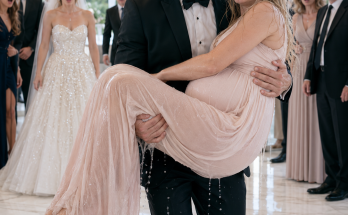
It was supposed to be the happiest time of my life: planning my wedding. Instead, it became a battlefield, a stark reminder of years of being excluded and made to feel less than. My older siblings, all married, had a peculiar tradition: child-free weddings. While seemingly harmless on the surface, it carried a sting for young me. Each wedding was a source of immense pain, a feeling of being deliberately left out. I remember being ten years old when my eldest sister, Sarah, got married. The wedding was this grand affair, all white dresses and fancy hors d’oeuvres. I begged my parents to let me go, promising to be on my best behavior, but Sarah was adamant. “It’s an adult affair,” she’d said, her words echoing the sentiments of my other siblings in the years to come. I watched from the sidelines as cousins my age got to dress up and attend. The feeling of exclusion was crushing. I remember sitting in my room, the faint music from the reception drifting through the open window, feeling a profound sense of loneliness.
Two years later, my brother Michael got married. I was twelve, a bit older, a bit more mature, or so I thought. Again, I pleaded my case, hoping that maybe this time, things would be different. But the answer was the same: a firm, unwavering no. I remember the day of the wedding, the house buzzing with activity. My mother was rushing around, helping with last-minute preparations, while I sat quietly in a corner, feeling invisible. The scent of lilies and roses filled the air, a constant reminder of the celebration I was missing. I tried to distract myself with a book, but the words blurred before my eyes. All I could think about was the laughter, the dancing, the joy I was being denied.
As the years passed, the pattern continued. Another brother, another wedding, another exclusion. By the time my last brother, David, got married, I was seventeen. I thought that surely, at this point, I was old enough to attend. But no. They argued I would be bored or somehow make it awkward for the other guests. I had been trying to manage my expectations, but the constant rejection took its toll. The constant rejections were starting to affect my self-esteem, turning me into an angsty teenager. This cycle of exclusion had become their tradition, and I, the unwanted guest.
Now, years later, it was my turn. The wedding planning was in full swing, and the guest list was growing. But there was one glaring omission: my siblings. When they realized they weren’t invited, all hell broke loose. They descended upon my house, a storm of indignation and outrage. My mother sided with them, accusing me of being petty and vindictive. But I stood my ground. I explained that this was not about revenge, but about finally taking control and making my own decisions.
I told them about all the times I had been left out, about the pain and disappointment I had felt. I reminded them of their unwavering stance on child-free weddings, their justifications, and their dismissals. I recounted the countless hours I spent alone in my room, feeling like an outsider. I didn’t expect them to understand or even to apologize. I simply wanted them to acknowledge the impact of their choices. My sisters and brothers stood in silence, their faces a mix of anger and confusion. I knew they were missing the point.
Finally, feeling cornered, I offered a conditional invitation: they could come, but only if they each publicly acknowledged, during the reception, the pain their past decisions had caused me, and vowed to never exclude anyone again based on age. The silence that followed was deafening. They looked at each other, their faces a mask of disbelief and indignation. I had called their bluff, exposing the hypocrisy that had been simmering beneath the surface for so long. In that moment, I realized with horror… [“THEY NEVER TRULY UNDERSTOOD THE PAIN THEY CAUSED”].